Athletes, coaches, advocates and innovators came together around the FIFA World Cup to expand awareness of adaptive sport and explore new ways for more people to play, compete and experience the game.
Making the World’s Game Accessible
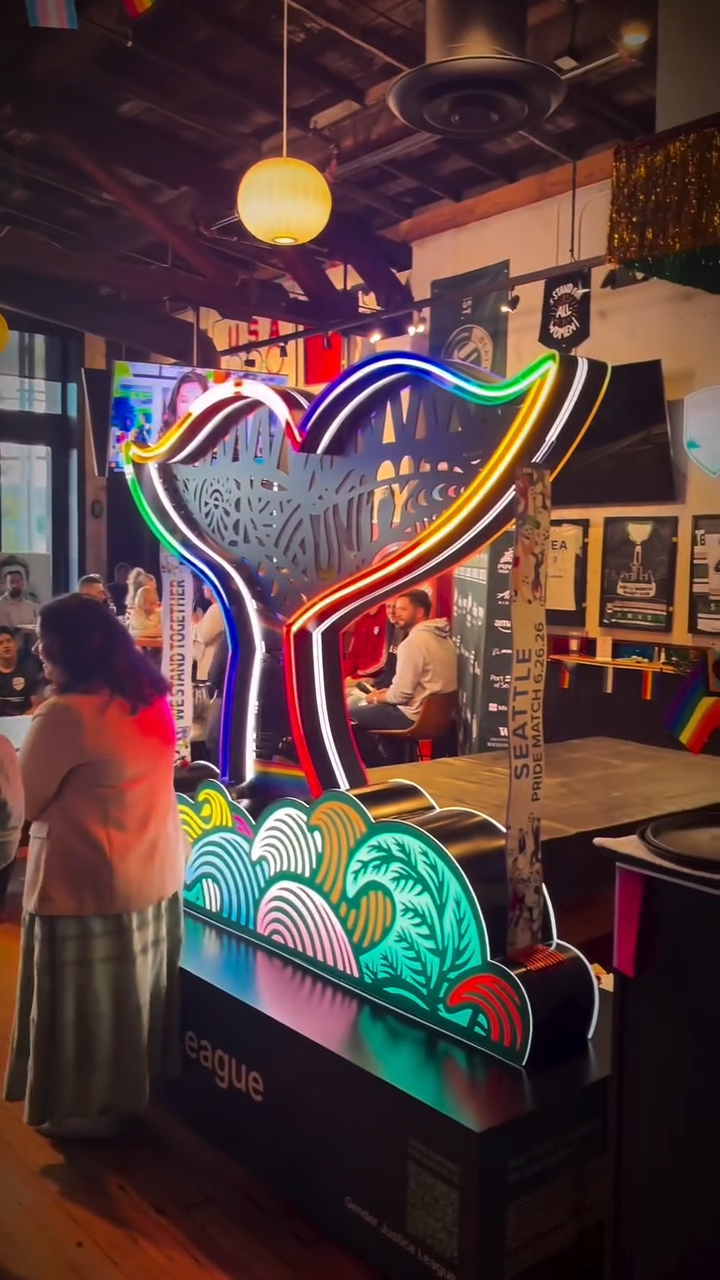
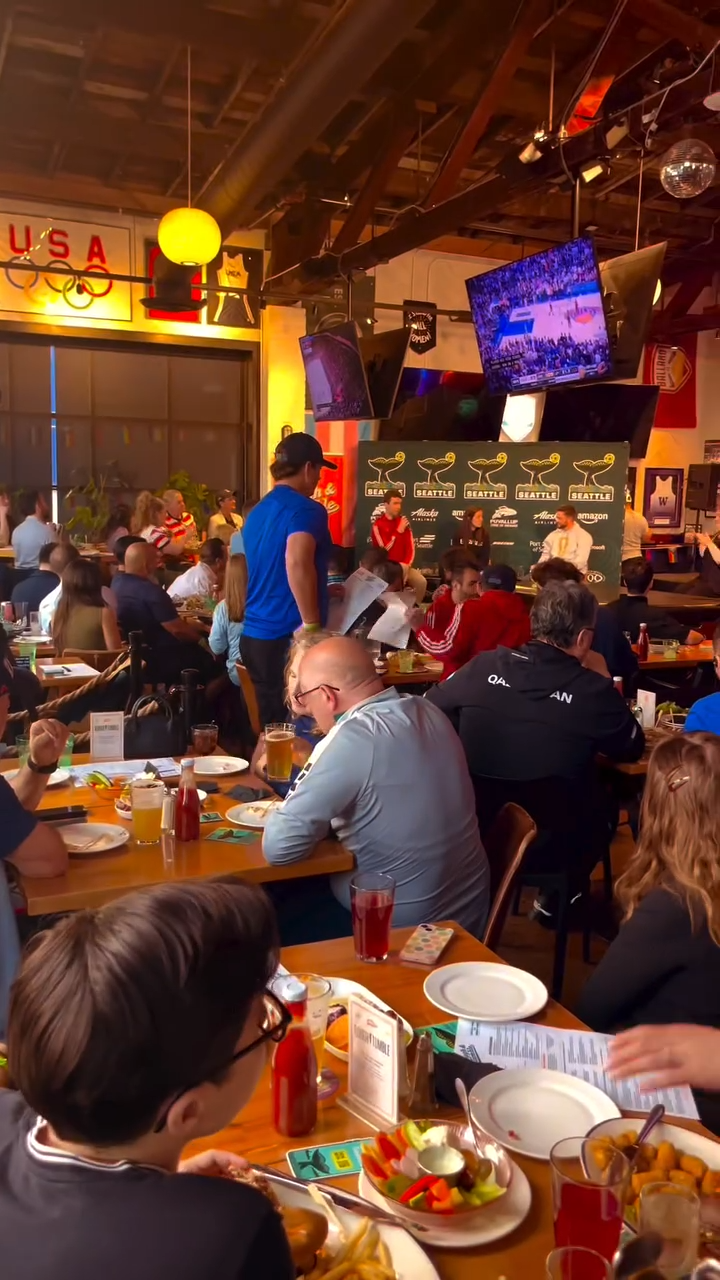
Before the World Cup arrived, Seattle brought people together to talk about what elite soccer looks like when athletes experience the game differently.
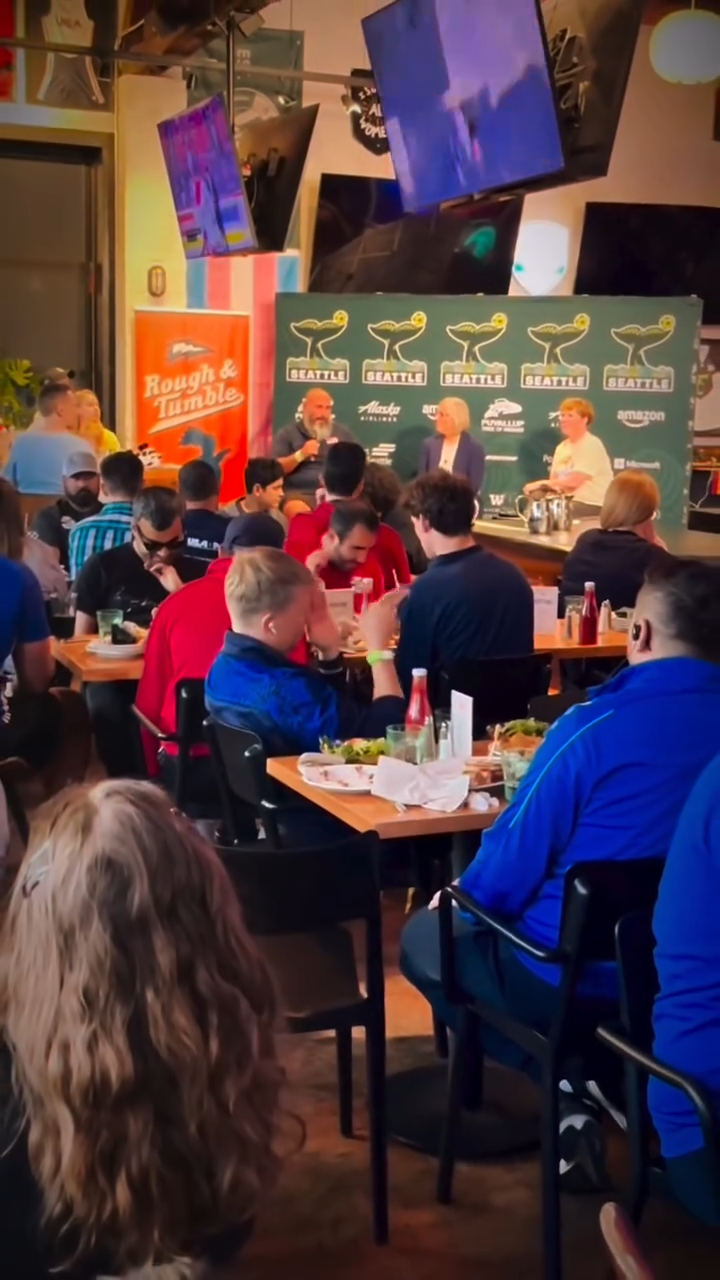
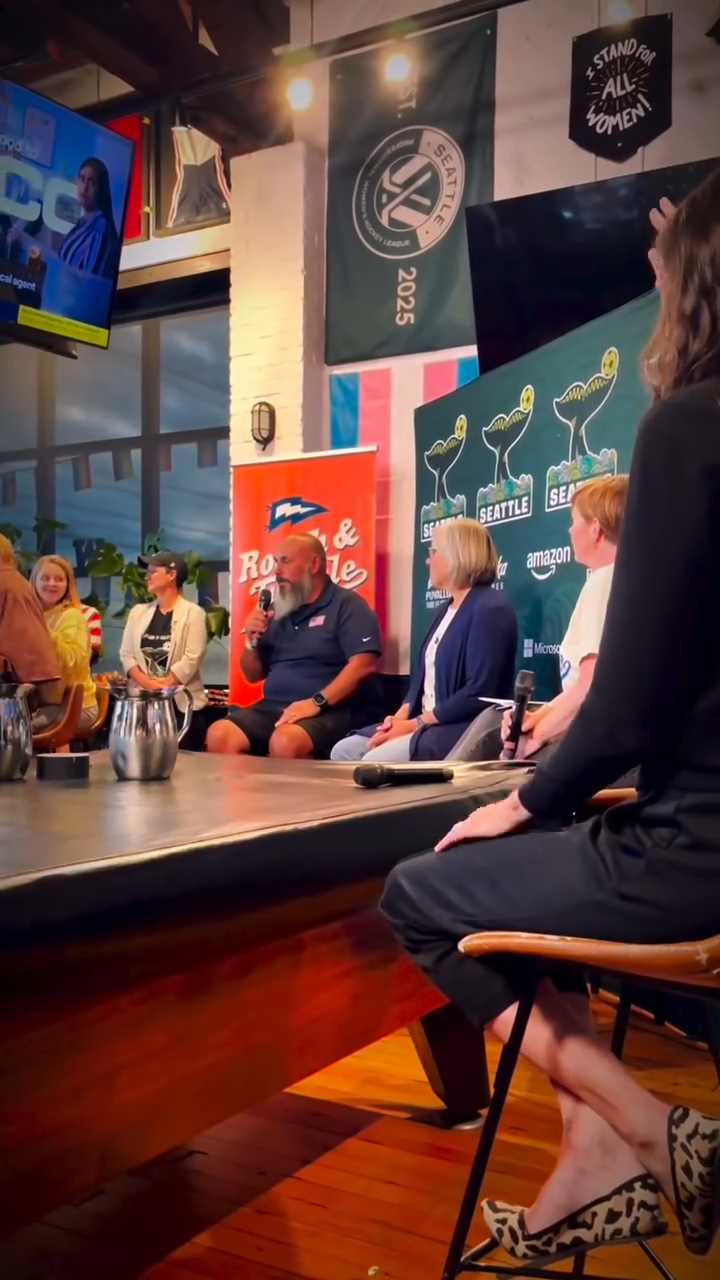
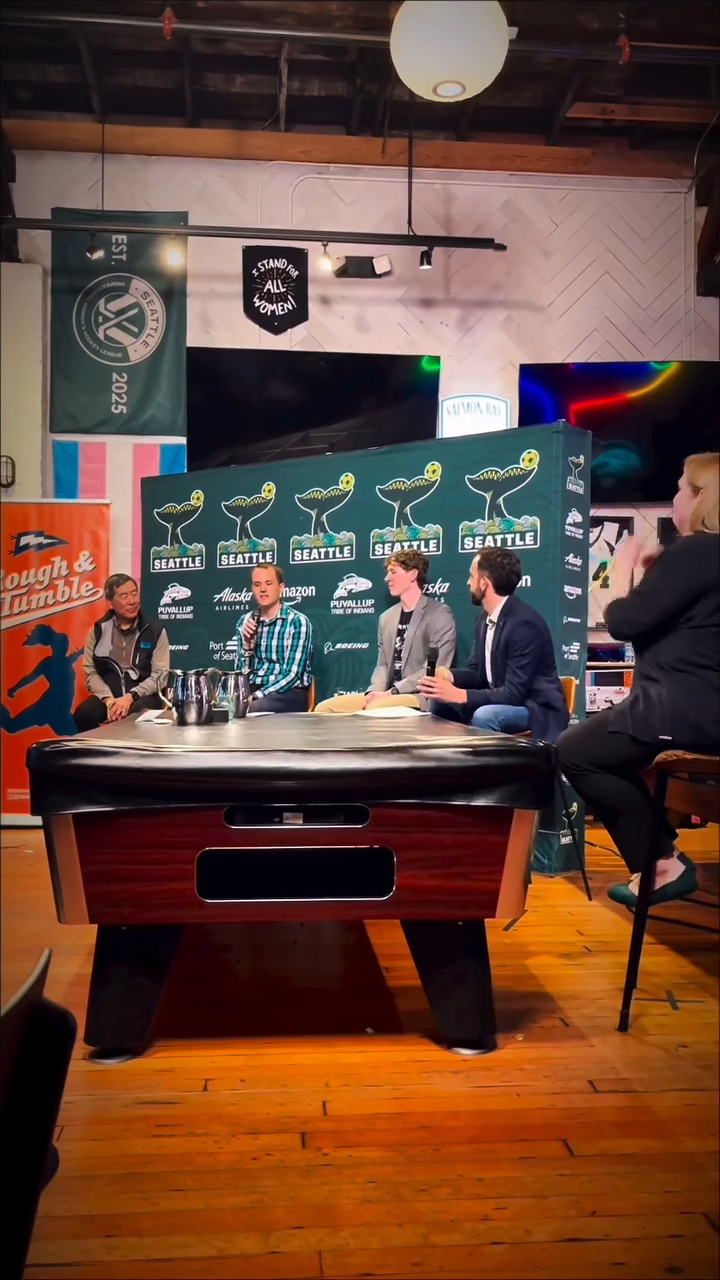
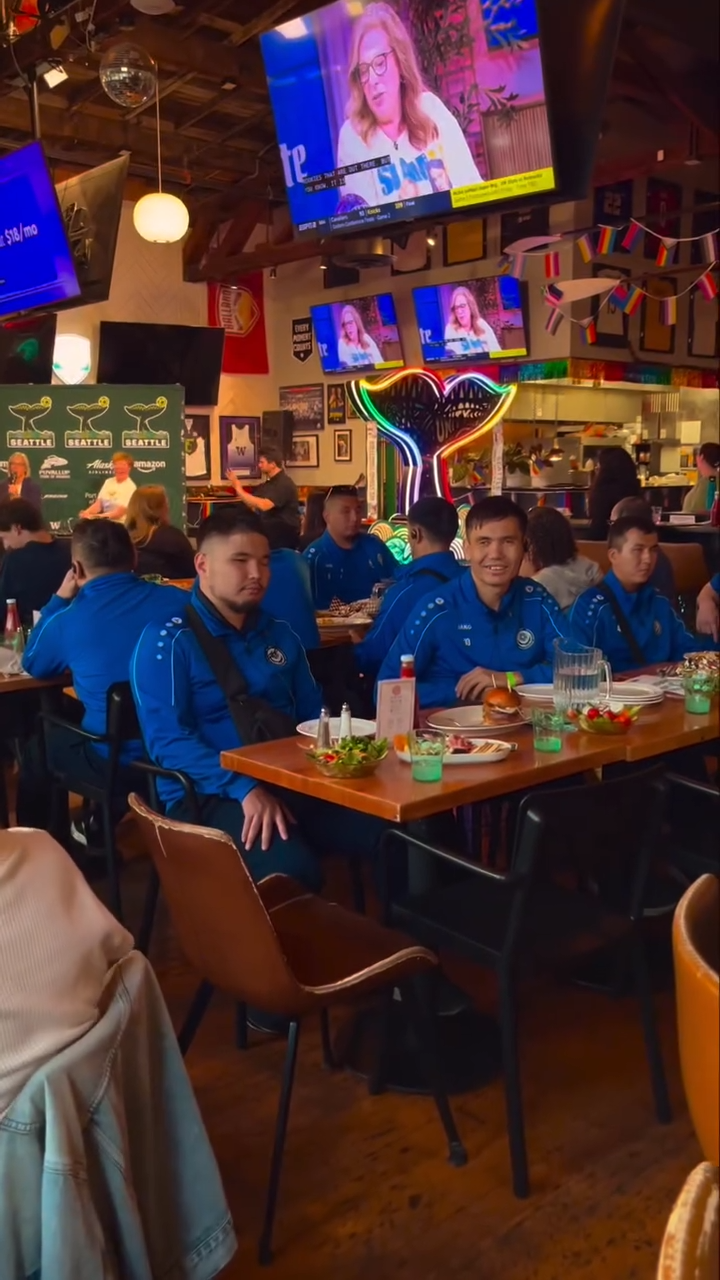
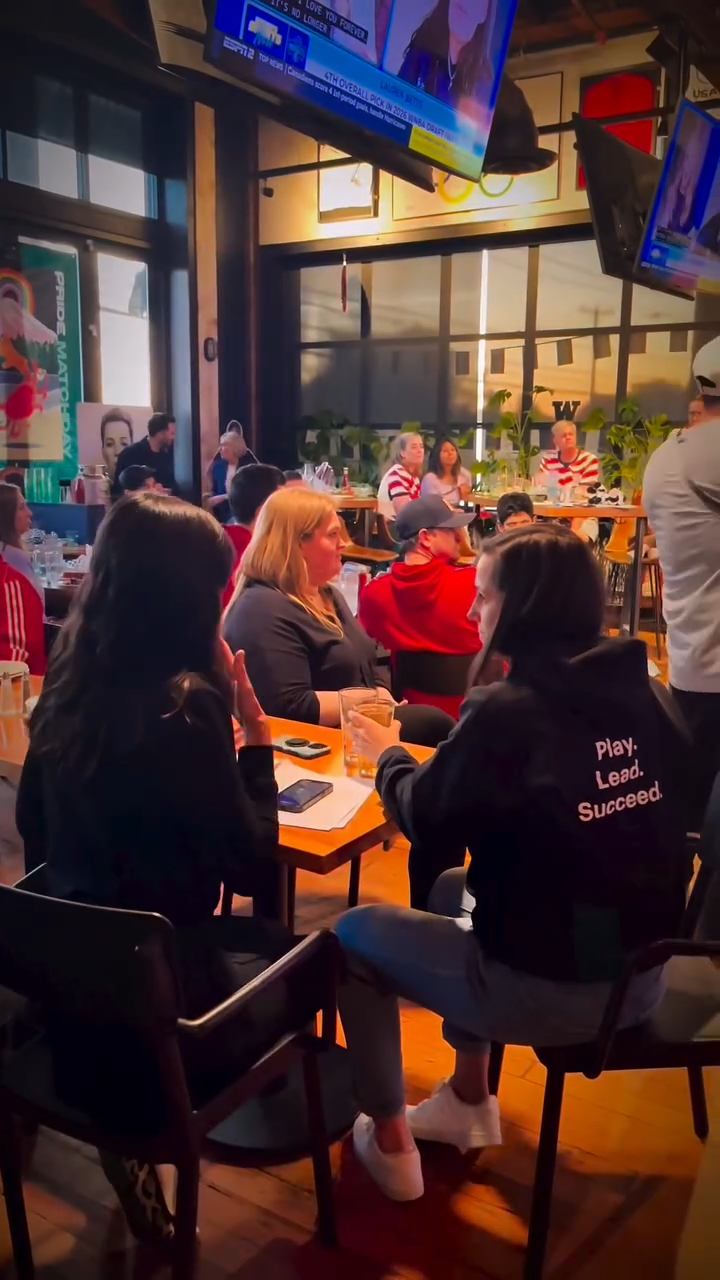
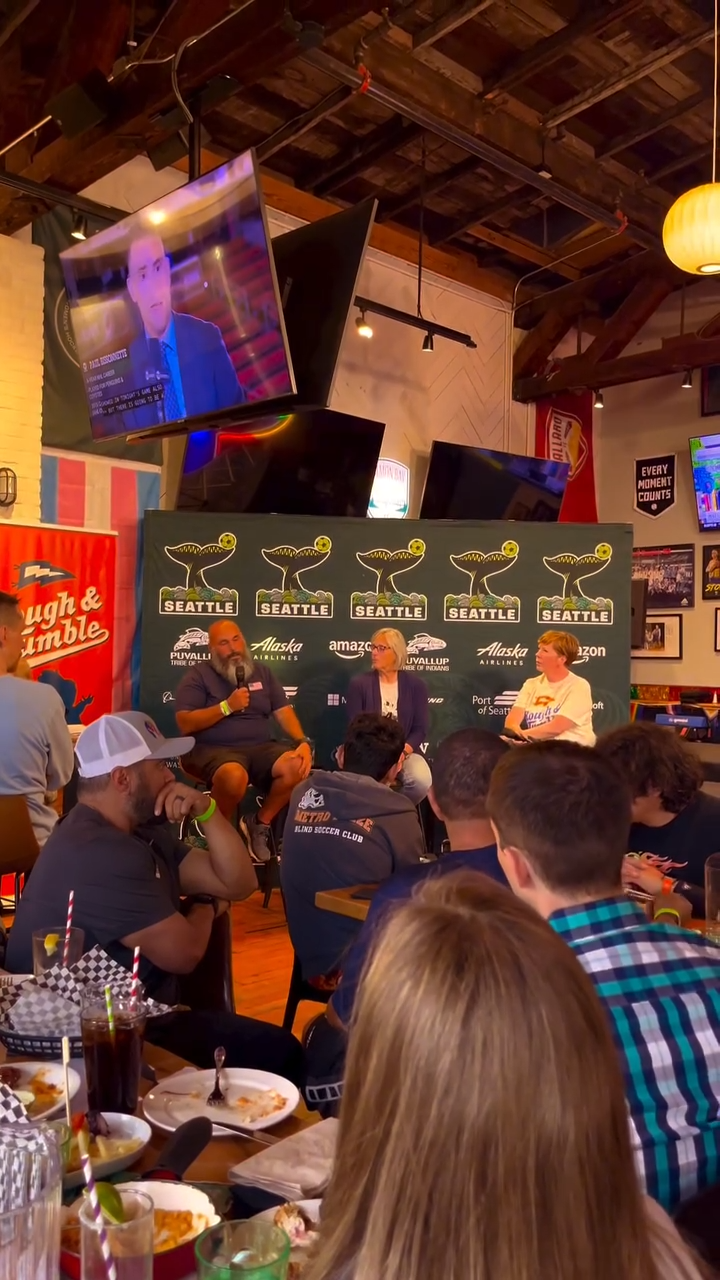
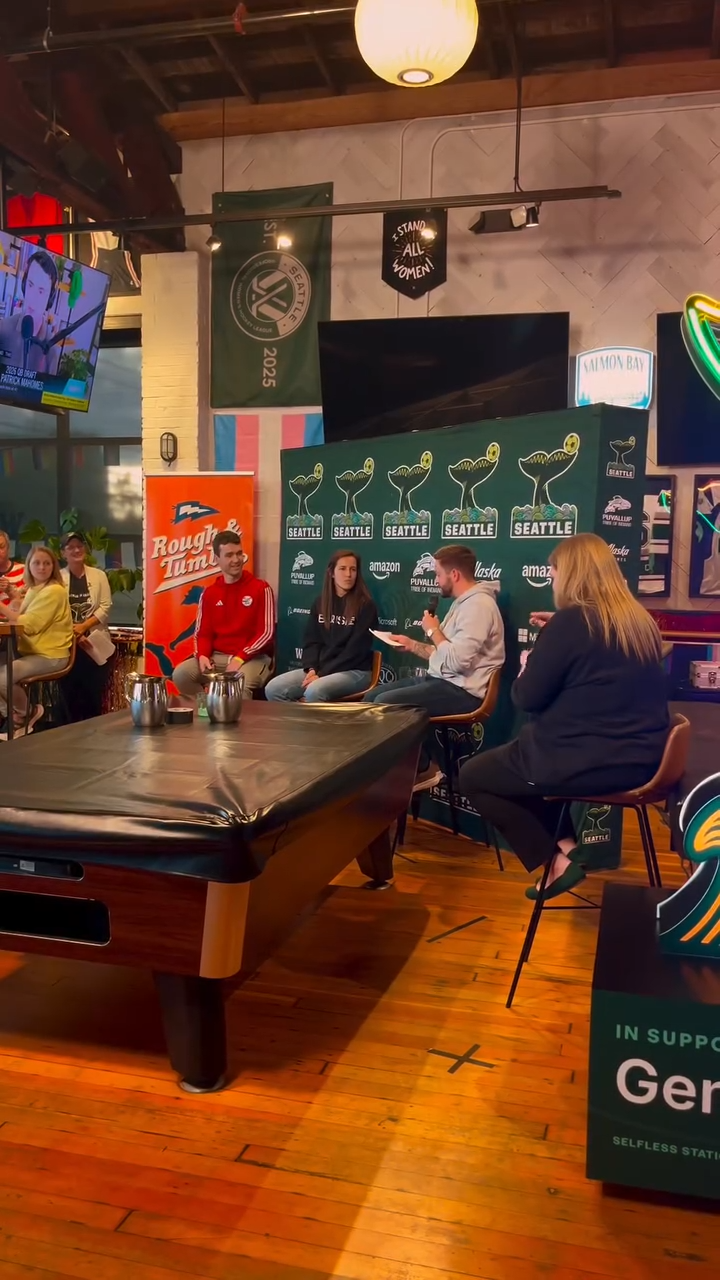
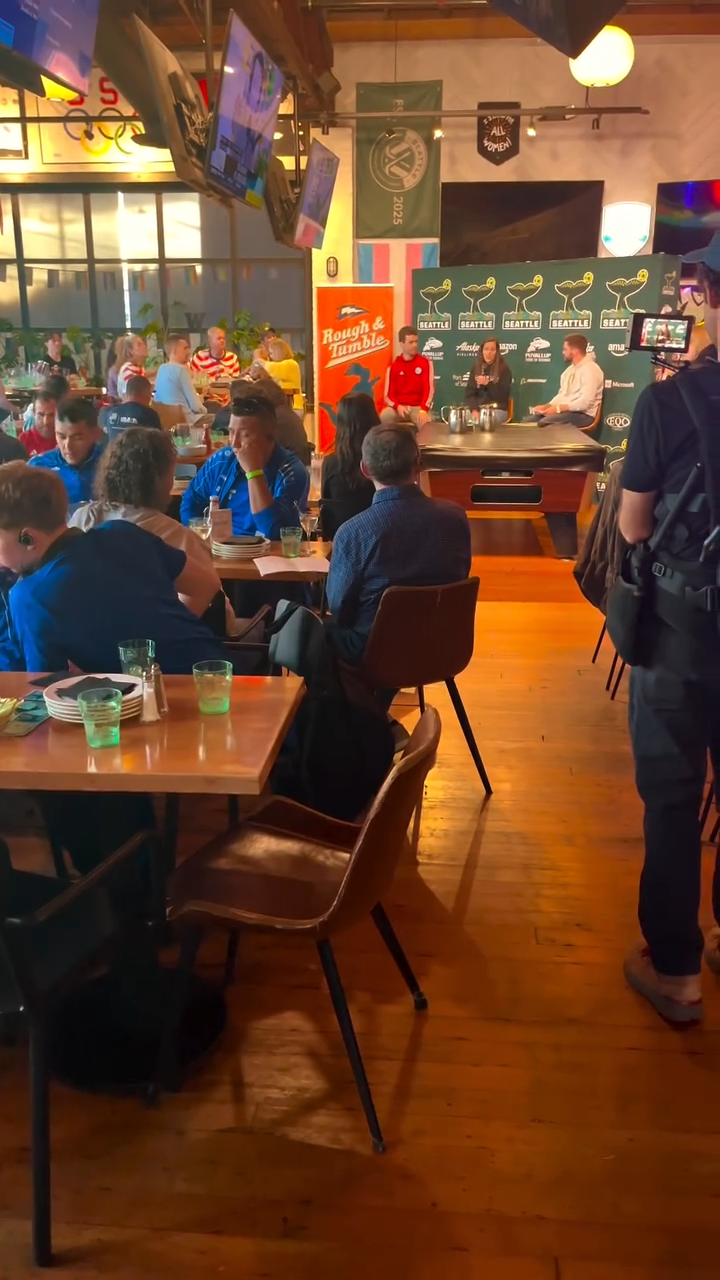
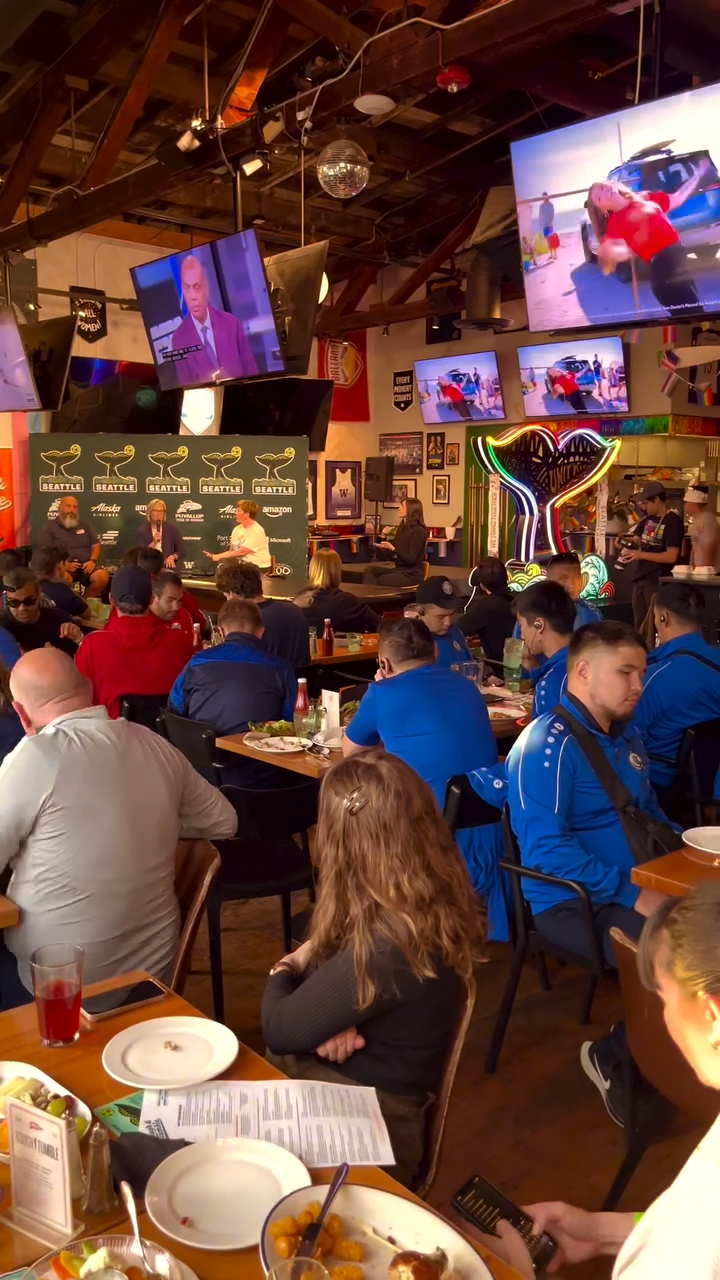
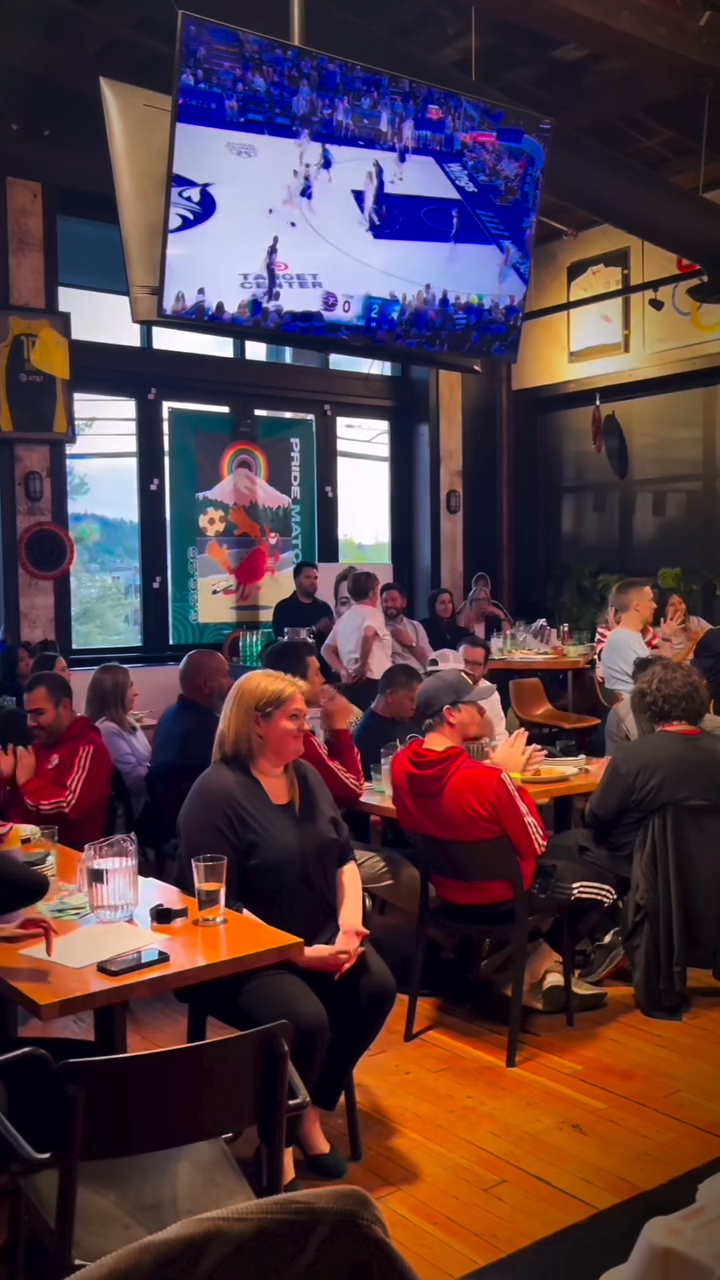
At Rough & Tumble, blind and Deaf soccer players joined coaches, advocates and technology leaders for a public conversation about competition at the highest level. U.S. Women’s Deaf National Team player Sydney Andrews and U.S. Men’s Blind National Team captain Charles Catherine were among those sharing their experiences alongside coaches from both sports.
The conversation moved from athlete experience and high-performance coaching to the different ways communication shapes the game, from the visual language of Deaf soccer to the sound and touch that guide blind soccer.
Two days later, an international blind soccer competition took the field at Interbay Stadium, putting many of those conversations into action.
Following the Match Through Touch
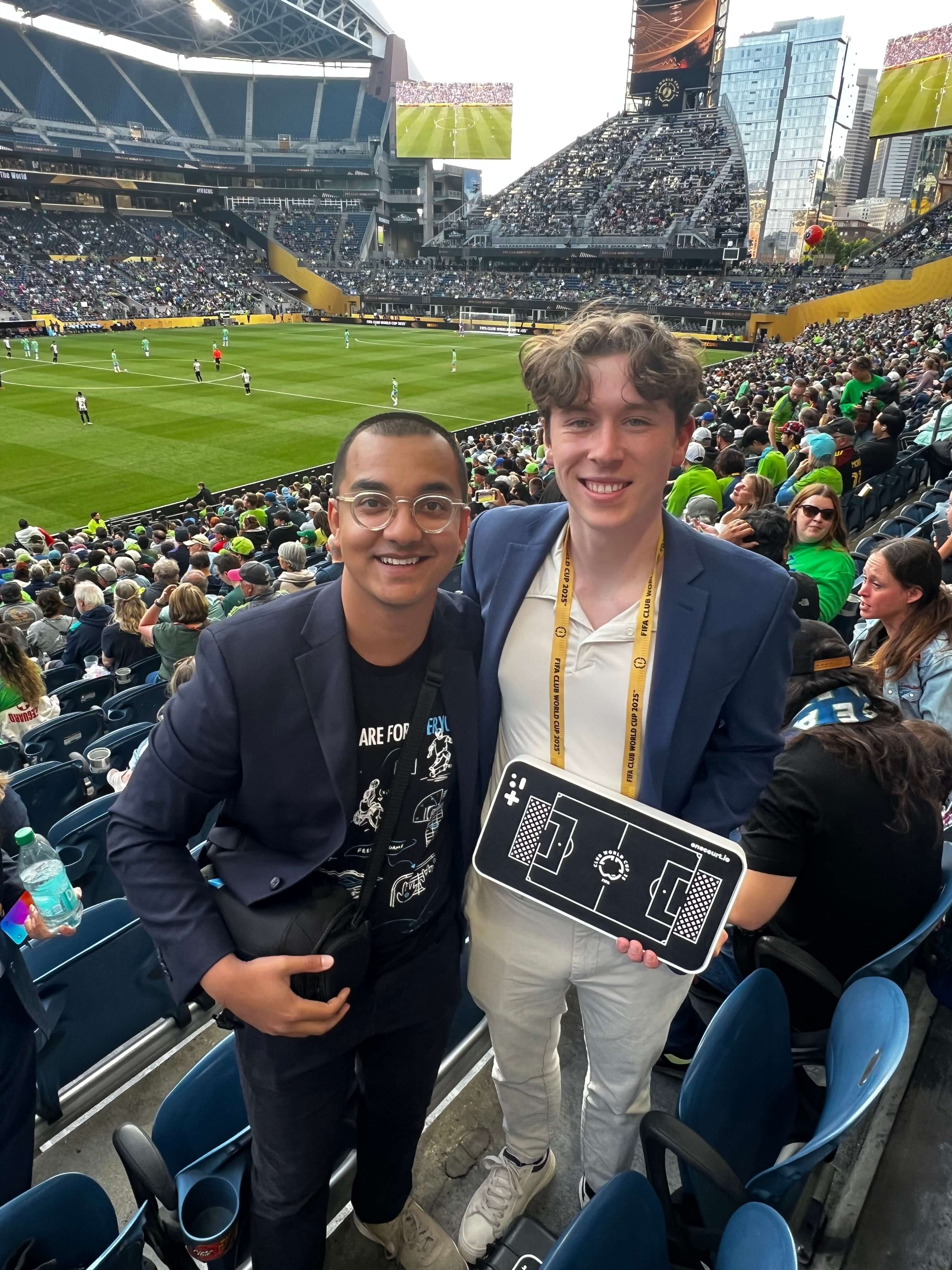
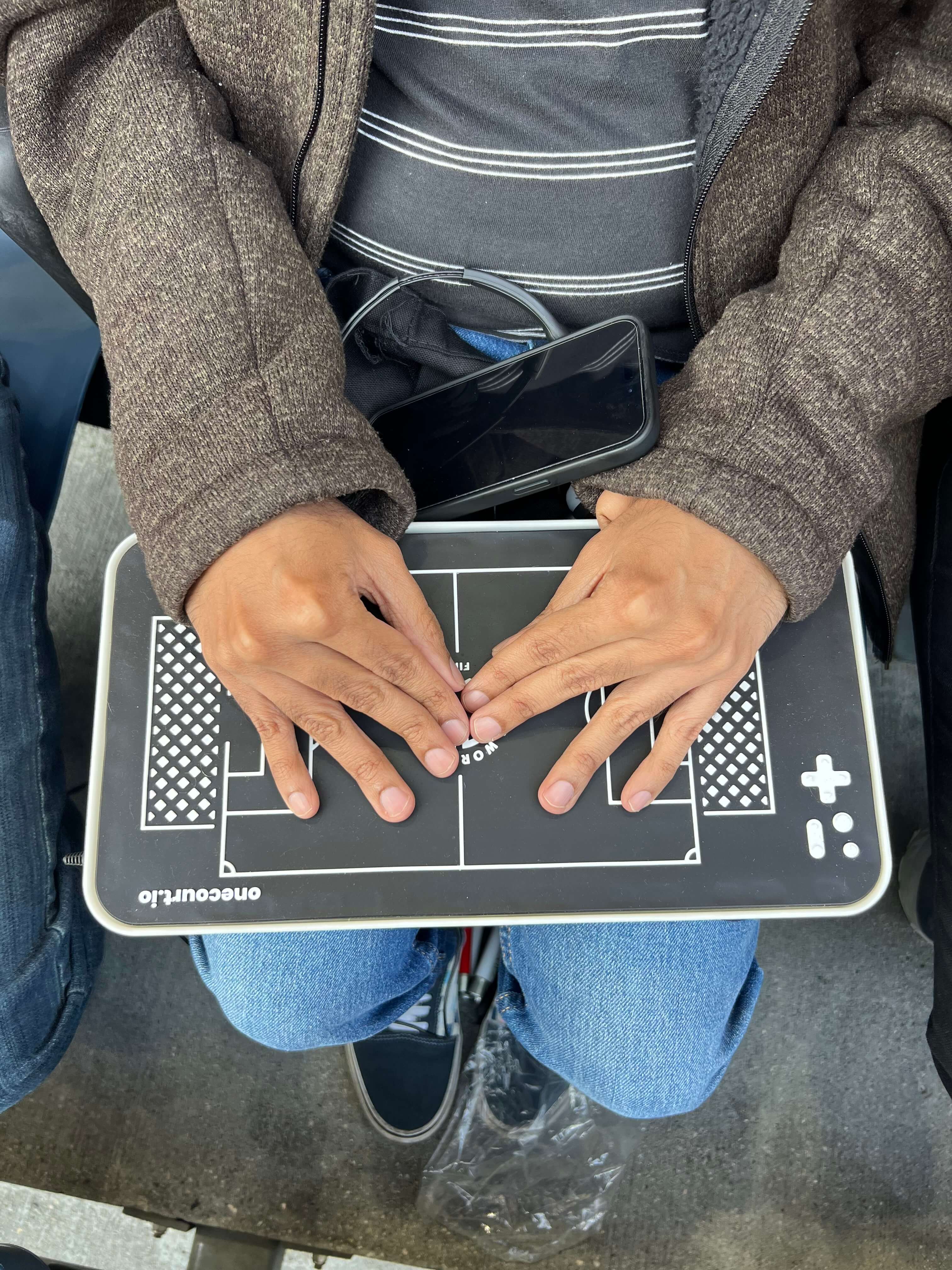
Another piece of the work began a year earlier with OneCourt, a Seattle startup that grew out of an undergraduate project at the University of Washington.
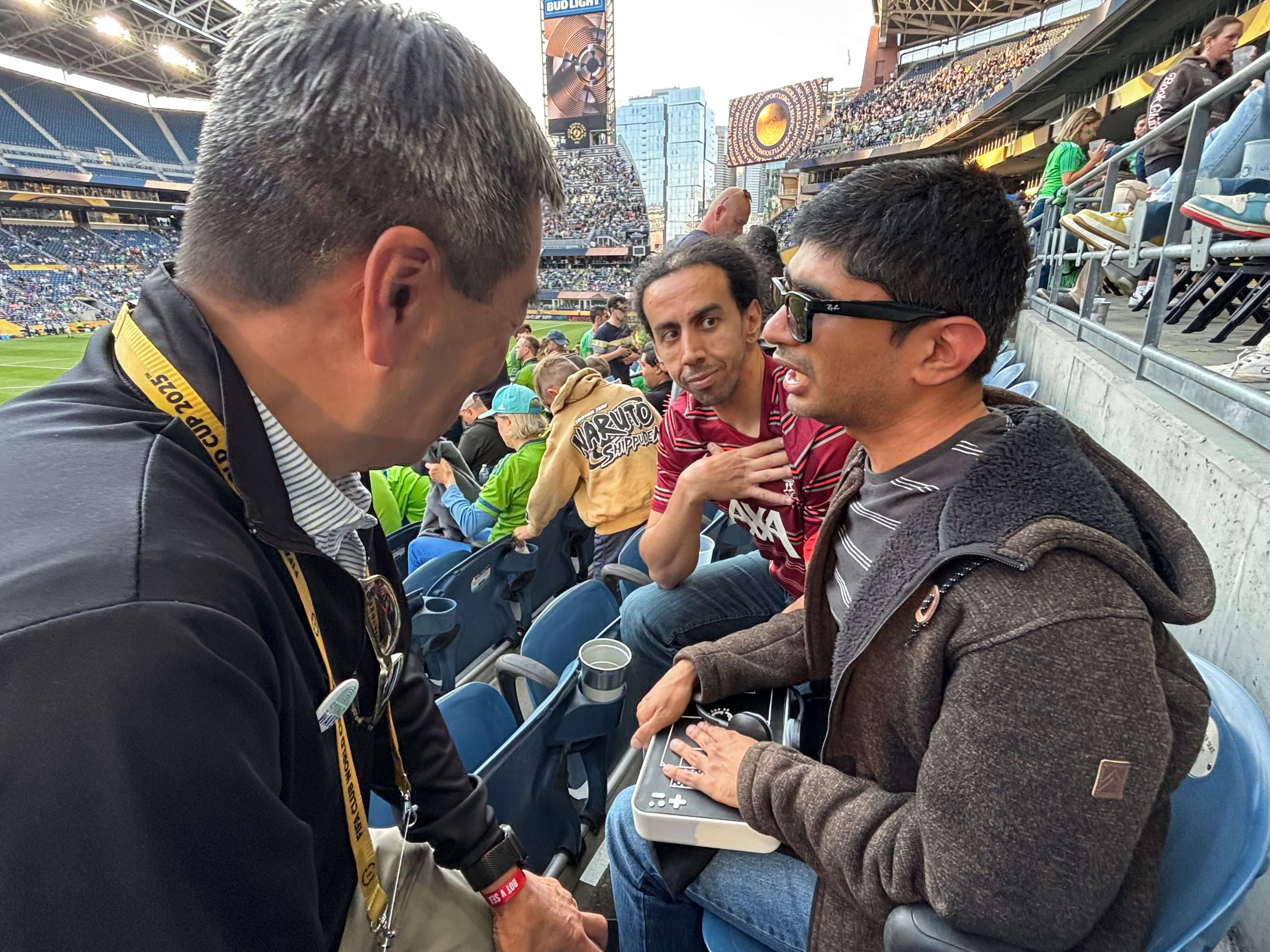
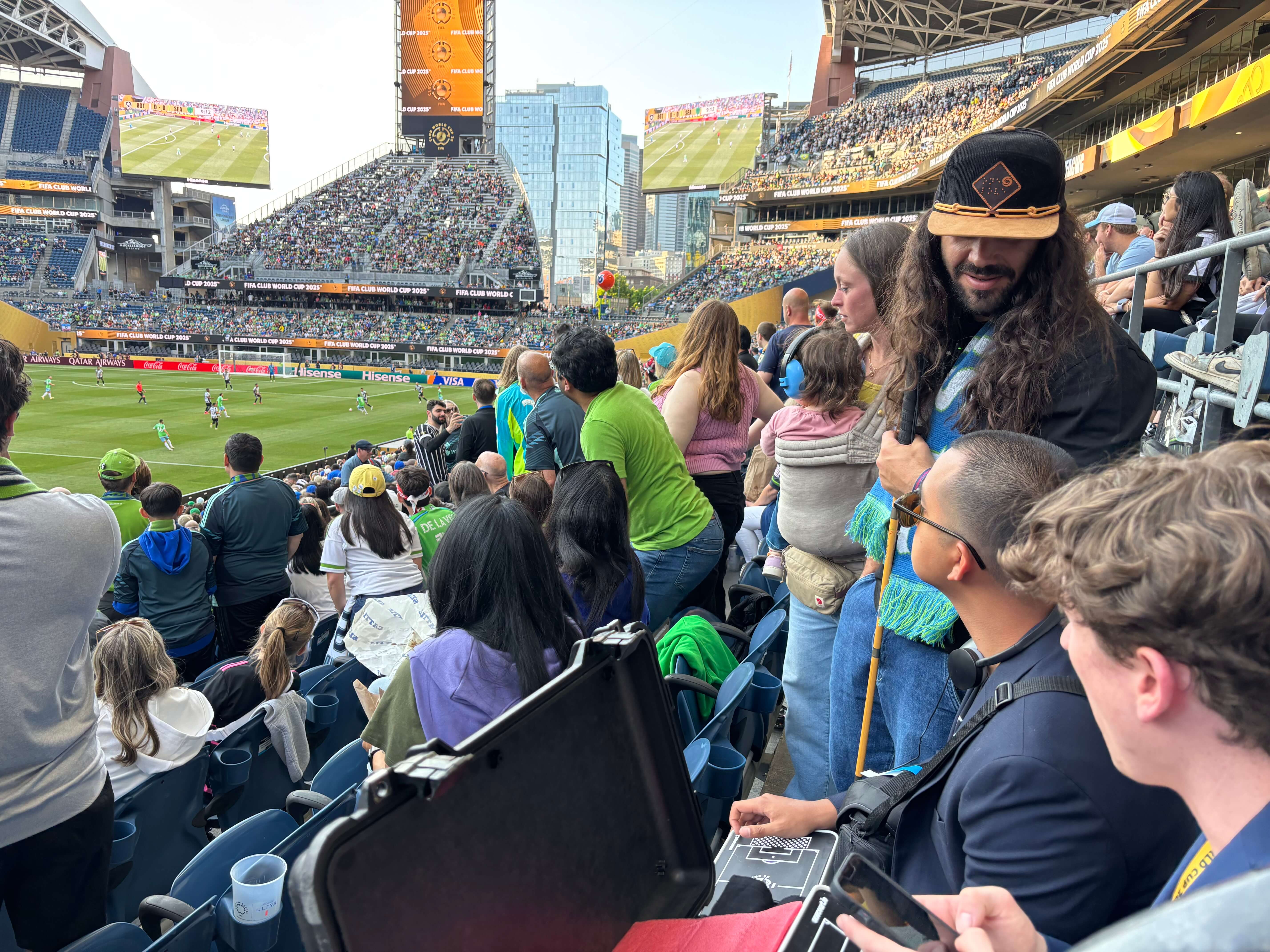
During the 2025 FIFA Club World Cup, OneCourt debuted its first live tactile broadcast for soccer at Lumen Field. The tablet-sized device translated live match data into trackable vibrations, allowing blind and low-vision supporters to follow the movement of the ball with their fingertips while an earpiece delivered score and play updates.
Fans from Seattle Children’s, the National Federation of the Blind of Washington and Northwest Association for Blind Athletes tested the technology during Seattle Sounders matches and shared feedback about their experience.
The debut helped set the stage for OneCourt to return for the FIFA World Cup in 2026.
Related Legacy Projects
See All Projects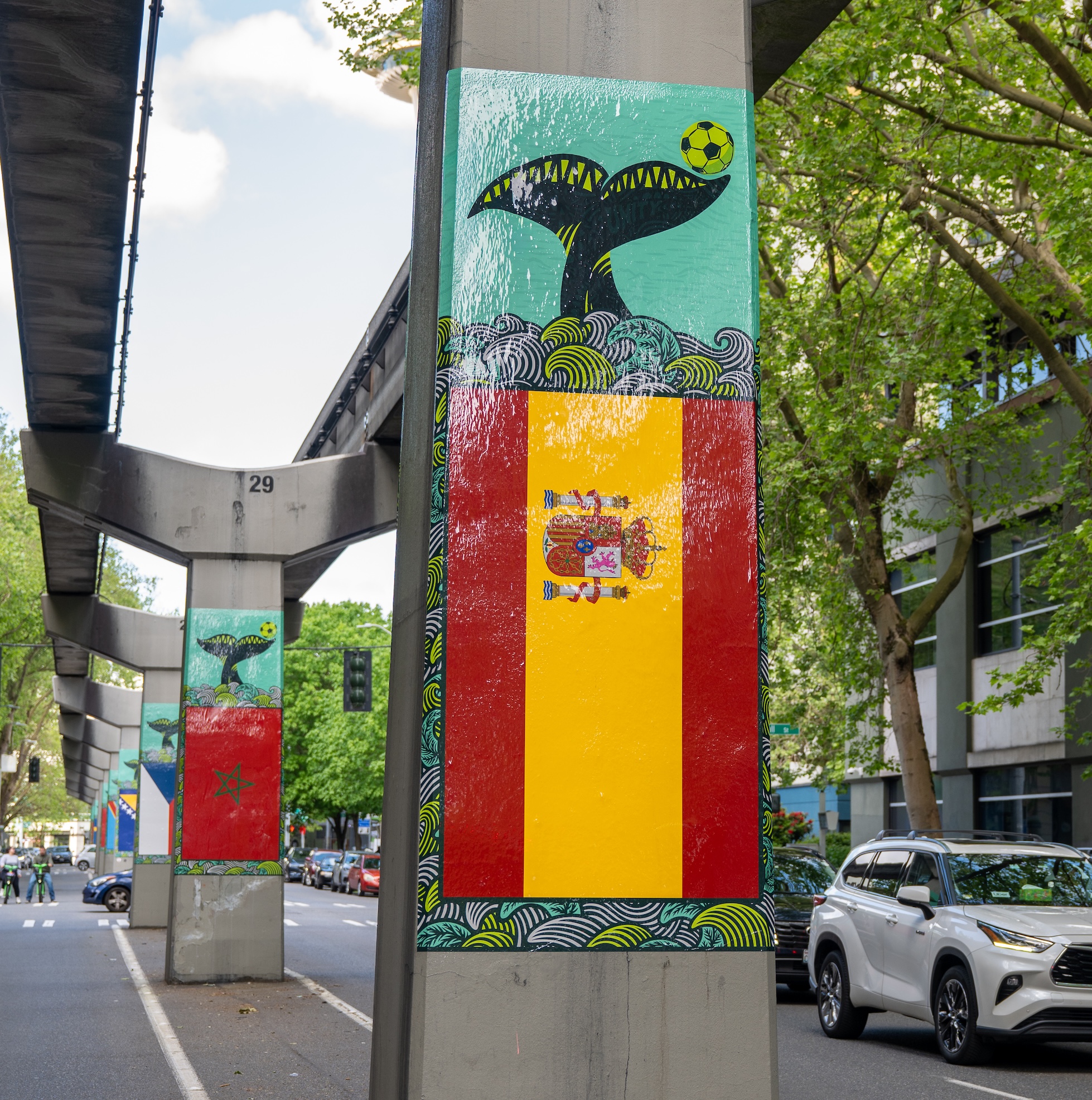
Corridor of Nations
Corridor of Nations
Flags and artwork transformed the Seattle Center Monorail route into a moving welcome to the nations, communities and people who came together for the FIFA World Cup.
New, World-Class Fields
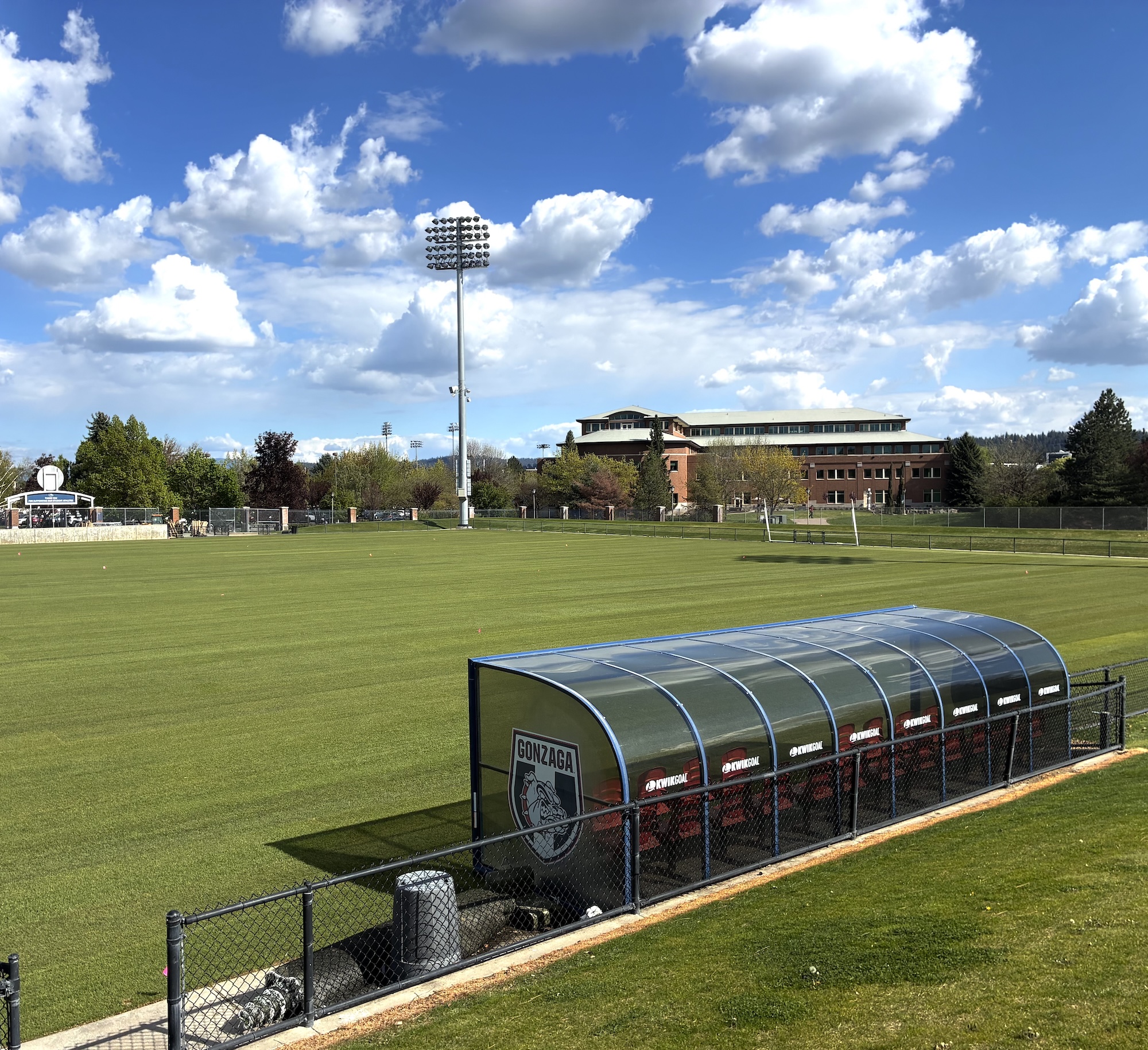
New, World-Class Fields
FIFA World Cup preparation helped accelerate new and improved soccer facilities at the University of Washington and Seattle University, creating permanent investments in collegiate athletics and the region’s ability to host future competition.
Therapeutic Art with Seattle Children’s
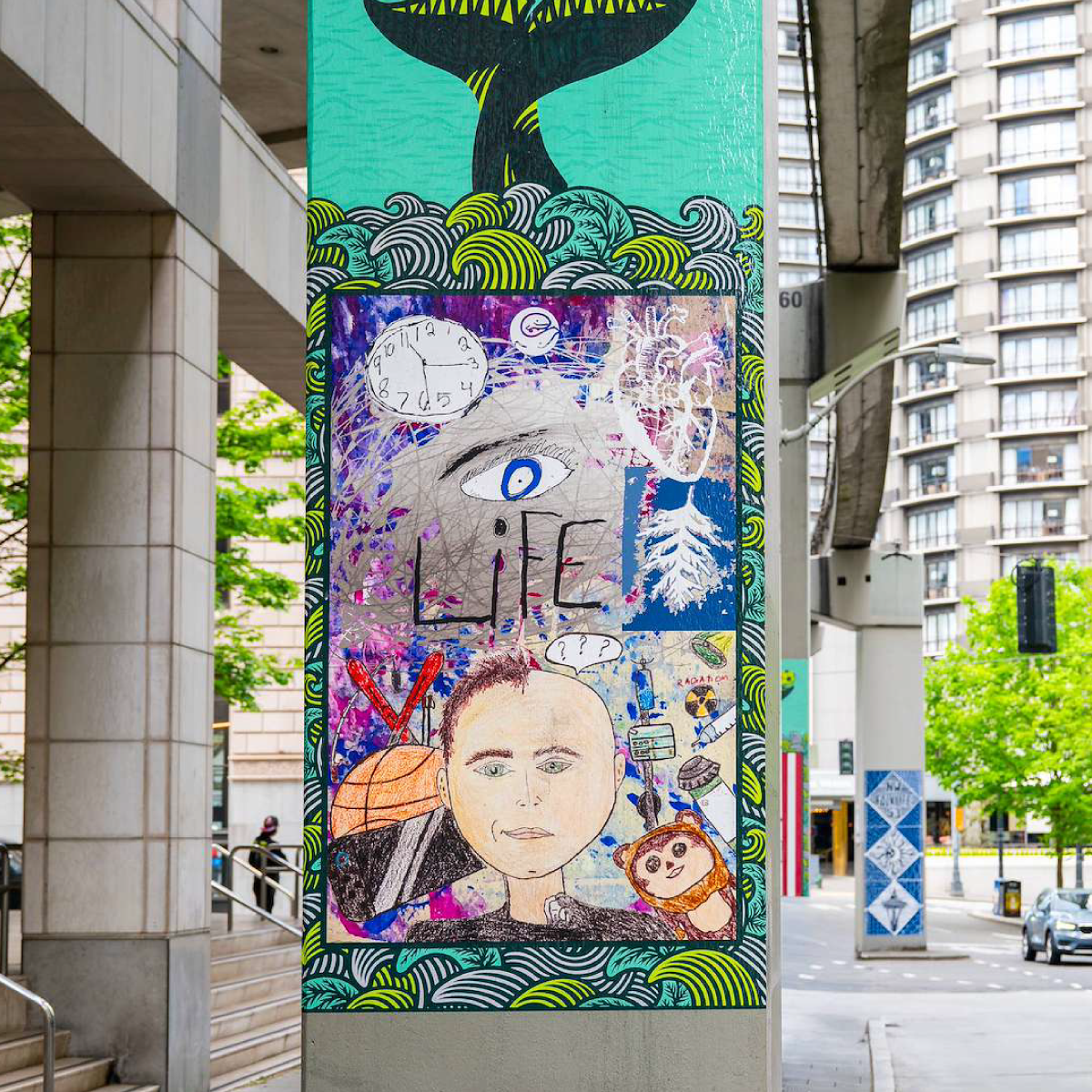
Therapeutic Art with Seattle Children’s
SeattleFWC26 partnered with Seattle Children's Therapeutic Art Program on three collaborative projects — a Monorail column, a mural, and a tribute piece — that carried patients' own artwork from the bedside to Seattle's biggest global stage.